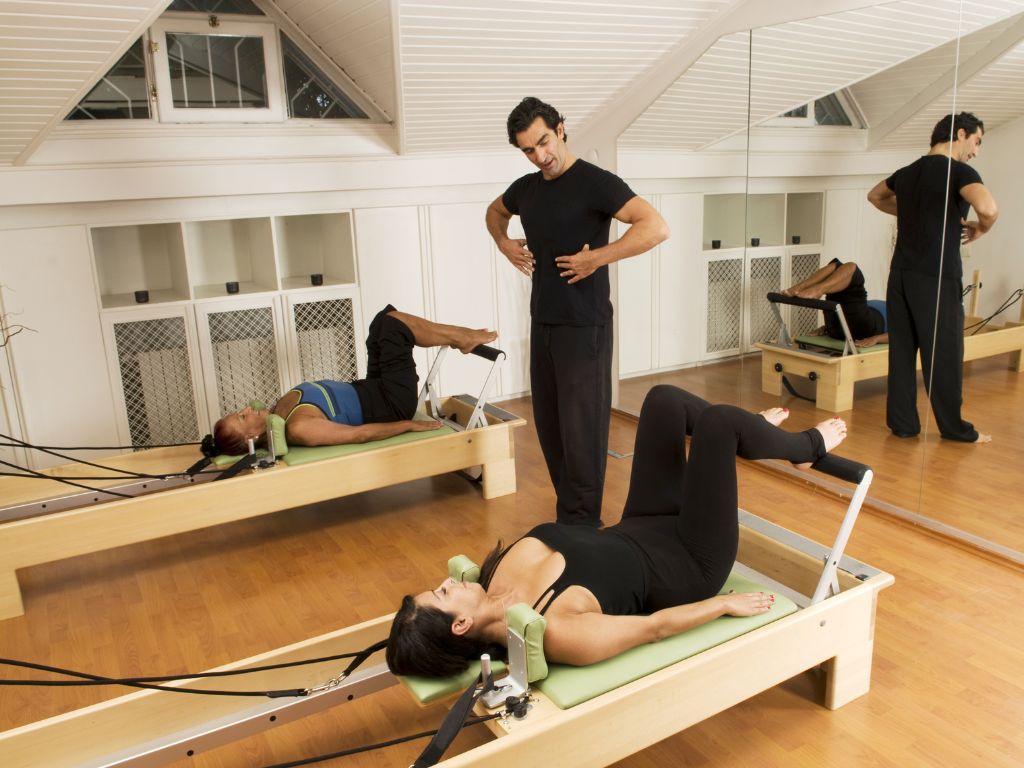
Wellness trends come and go, but practices that emphasize longevity, awareness, and balance tend to stand the test of time. One approach gaining lasting traction is mindful Pilates, a movement method that prioritizes intentional motion, breath, and nervous system regulation. Studios like Mind and Motion pilates reflect a growing shift away from purely performance-driven fitness and toward sustainable, body-aware movement that supports long-term health.
At its core, mindful Pilates bridges the gap between physical conditioning and mental clarity. Rather than pushing through discomfort or chasing exhaustion, the practice encourages participants to listen closely to their bodies, move with control, and cultivate awareness in every repetition.
The Difference Between Exercise and Mindful Movement
Traditional workouts often emphasize intensity, speed, or calorie burn. While those goals can have value, they can also lead to burnout, injury, or a disconnect from the body’s actual needs. Mindful Pilates takes a different approach.
Each movement is performed with focus and precision, engaging stabilizing muscles and aligning breath with motion. This creates a feedback loop between mind and body, allowing practitioners to notice patterns, imbalances, and tension that might otherwise go unnoticed.
Over time, this awareness translates into better posture, improved mobility, and fewer chronic aches. Just as importantly, it fosters a sense of calm and control that extends well beyond the mat.
Why Sustainability Matters in Wellness
One of the biggest challenges in modern wellness culture is sustainability. Many people start fitness routines with enthusiasm, only to abandon them weeks later due to fatigue, injury, or unrealistic expectations.
Mindful Pilates addresses this issue by being adaptable and scalable. Movements can be modified to meet individuals where they are, whether they are recovering from injury, managing stress, or simply looking for a balanced way to stay active.
Because the practice emphasizes quality over quantity, it supports consistency. And consistency, not intensity, is what ultimately leads to lasting physical and mental benefits.
The Mind-Body Connection in Practice
Pilates was originally designed as a system that integrates mental focus with physical strength. Mindful Pilates honors that foundation by placing attention on breath patterns, spinal alignment, and controlled transitions.
This focus has measurable effects. Studies on mind-body exercise have shown improvements in balance, core strength, and coordination, along with reductions in stress and anxiety. When movement becomes a form of meditation, it can help regulate the nervous system and improve emotional resilience.
For many practitioners, classes become a space not just to strengthen the body, but to reset mentally. That combination is especially valuable in a world where stress and distraction are constant.
Supporting Long-Term Strength and Mobility
Another reason mindful Pilates is gaining popularity is its emphasis on functional strength. Rather than isolating muscles for appearance alone, the practice builds integrated strength that supports everyday movement.
Core stability, joint alignment, and controlled flexibility all contribute to better movement mechanics. This can reduce the risk of injury and support healthy aging, making Pilates an appealing option across all life stages.
Unlike high-impact workouts that may become harder to maintain over time, mindful Pilates often becomes more rewarding as awareness and control deepen.
A Wellness Practice That Evolves With You
Perhaps the most compelling aspect of mindful Pilates is its ability to evolve alongside the individual. Goals change over time, and so do bodies. A sustainable wellness practice must be flexible enough to adapt.
Mindful Pilates meets that requirement by offering variety without chaos, challenge without strain, and structure without rigidity. Whether someone is seeking rehabilitation, stress relief, or a stronger connection to their body, the practice remains relevant.
As more people seek wellness approaches that support both physical health and mental clarity, mindful Pilates continues to stand out. It is not about doing more, but about moving better, paying attention, and building a relationship with the body that lasts.
In a wellness landscape crowded with extremes, mindful Pilates offers something refreshingly grounded: a path to strength, balance, and awareness that supports the whole person, not just the workout.